
There is a photograph that exists in multiple versions, taken by multiple photographers over multiple decades, and it shows the same thing: the Barrowland Ballroom neon sign blazing orange and white against a Glasgow night sky, the Gallowgate’s low-rise streetscape stretching around it, and the sense that whatever is happening inside that building matters. The photograph is taken so often because the building earns it.
The Building
The Barrowland opened as a ballroom in 1934, built by furniture trader Margaret McIver above the Barras market in the East End. It burned down in 1958 and was rebuilt in its current form in 1960: a large rectangular room above the market stalls, capacity approximately 1,900, with a sprung maple dance floor that is the first thing every performer and music journalist mentions.
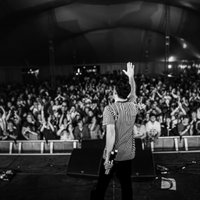
The floor bounces. Not metaphorically – it physically moves under a full crowd, a gentle wave of shared kinetic energy passing through the audience during a big chorus or a bass drop. It’s a product of the suspended construction and it does something to the experience of being in a room full of people listening to music that no amount of acoustic engineering in a modern arena can replicate.
The Neon
The exterior sign is one of Glasgow’s defining visual landmarks. Multicoloured neon spelling out BARROWLAND in letters visible from half a mile away, with a star pattern that illuminates above it. It was installed in the 1960s and has been maintained and restored several times since. On the right Glasgow night – drizzle catching the light, the East End streets quiet before doors open – it’s one of the most atmospheric sights the city offers.
The History
In the 1960s and 70s the Barrowland was a dance hall with a complicated history – the Bible John serial murders of 1968–69 were linked to a suspect who picked victims up at the venue, a dark chapter in Glasgow’s criminal history. The venue closed after the murders and reopened eventually as a concert hall in 1983, beginning the second chapter that would become its legend.
Since 1983 the list of artists who have played there reads as a compendium of rock and pop significance: U2, REM, Radiohead, David Bowie, Oasis, The Stone Roses, Blur, The Cure, Pixies, Smashing Pumpkins, Arcade Fire, Vampire Weekend, and essentially every touring act of significance for four decades. Many have cited it as their favourite venue; several have recorded live albums there. The consensus is consistent enough to be more than politeness.
Why It Works
The room is the right size. At 1,900 capacity it’s large enough to feel like an event and small enough to feel immediate. There is nowhere to hide; from anywhere in the room the stage is close and the sound is direct. The lack of elaborate production infrastructure means what you hear is what the band is actually doing. The crowd is Glaswegian – meaning enthusiastic, loud, knowledgeable and unimpressed by pretension – which raises the stakes for the performer and the collective experience for everyone present.
The toilets are famously inadequate. The bar queues are long. The entry process is slow. None of this deters anyone who has been there once from returning. This is, in the end, what a great live venue does: it makes everything else irrelevant.
Address: 244 Gallowgate, Glasgow G4 0TT
Capacity: ~1,900 (standing)
Tickets: barrowland-ballroom.co.uk
Corrections
Spotted something wrong? Send a correction.