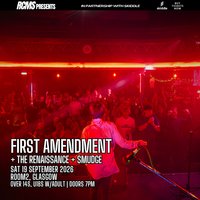

The list of globally significant bands to emerge from Glasgow in the last four decades is long enough to require explanation. Belle and Sebastian. Mogwai. Franz Ferdinand. Teenage Fanclub. Chvrches. Primal Scream. The Jesus and Mary Chain. Travis. Biffy Clyro. Simple Minds. Frightened Rabbit. You could add to this list for a long time before running out of genuinely important names.
Cities sometimes produce clusters of significant artists through coincidence; Glasgow’s output is too consistent and too sustained to be accidental. The explanation has several parts, and they interact with each other in ways that are difficult to disentangle.
Glasgow School of Art
The Glasgow School of Art – Charles Rennie Mackintosh’s extraordinary building on Renfrew Street, now in the process of restoration following two devastating fires – has functioned as the creative engine of the city for over a century. Its influence on Glasgow’s music scene is particular and well-documented: Franz Ferdinand formed around the connections made at GSA; Alex Kapranos and Nick McCarthy met through the art school’s extended social world. The school breeds a particular kind of creative ambition – interdisciplinary, visually literate, willing to make things that might not work – that transferred naturally from studio practice into music.
The Chateau, a squatted rehearsal space near the art school that Franz Ferdinand used in the early years, became a focal point for the Glasgow art-rock scene in the early 2000s. The band that emerged was explicitly influenced by art movement thinking – the angular post-punk of the Gang of Four, the Pop Art attitude of early 80s New York – applied to songs that turned out to be enormously good at being danced to.
The Venue Ecosystem
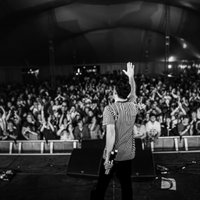
Glasgow’s live music infrastructure is exceptional for a city of its size. King Tut’s Wah Wah Hut on St Vincent Street is the room where Oasis were signed, where hundreds of now-significant acts played their first Scottish shows, where the atmosphere of a packed 300-capacity venue doing something right is immediately apparent. The Barrowlands Ballroom is the city’s cathedral – capacity 2,000, sprung floor, neon exterior, the kind of room that elevates performances. The Tramway in the Southside provides a more experimental, gallery-adjacent space for artists who need the room to breathe.
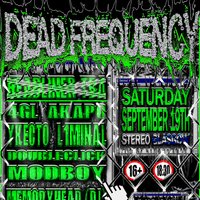
Between these venues is a continuous chain of smaller rooms – the Hug and Pint, Stereo, Saint Luke’s, Broadcast – that gives developing acts a natural progression from 50-capacity to 500 to 2,000 without ever having to leave Glasgow. This matters: bands develop in public, in rooms that take them seriously, with audiences who are paying for the music rather than the atmosphere.
The City Itself
Glasgow is a city that takes its own culture seriously. Locals go to gigs; the question of what’s on this weekend is a live one in daily conversation. The city’s affordability relative to London keeps creative people here rather than forcing them south. The industrial working-class tradition – the directness, the humour, the refusal of pretension – runs through the music even when the music is made by art school graduates. Mogwai’s post-rock is as Glaswegian as its noise-merchants persona; so is the sardonic wit of Belle and Sebastian’s early records.
There is also, let it be said, the weather. Glasgow’s damp, grey, frequently dark atmospheric conditions are excellent for making music in rehearsal rooms and recording studios. The Californian music scene was partly produced by sunshine and outdoor culture; Glasgow’s was produced by indoor intensity and the need to be somewhere warm.
Essential venues: King Tut’s Wah Wah Hut, Barrowlands, Tramway, Hug and Pint, Saint Luke’s
The art school connection: Glasgow School of Art, Renfrew Street G3 6RQ
Corrections
Spotted something wrong? Send a correction.