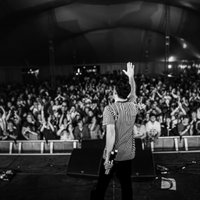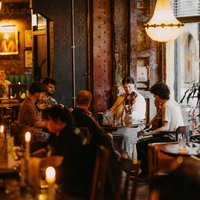

The Clutha Vaults sits on Stockwell Street, close to the Clyde, in the middle of a stretch of Glasgow that has been drinking and music territory since long before the current bars occupied the buildings. On the evening of Friday 29 November 2013 it was packed – a live band playing, the room full of people three deep at the bar. It was the kind of Friday night the pub had hosted hundreds of times.
At 10.25pm, Police Scotland Eurocopter EC135 helicopter G-SPAO crashed through the roof. The aircraft had been on patrol over the city. Both engines had failed due to fuel exhaustion after a malfunction in the fuel system went undetected. The pilot, David Traill, and his two crew members died. Seven people in the pub also died. The total death toll was ten.
The Building
The Clutha is a traditional Scottish pub – long, narrow, low ceilings, the kind of room where sound accumulates and a good band fills the space completely. The name comes from the Latin for the Clyde. The building dates from the nineteenth century, sandstone and solid, but a helicopter falling through the roof creates devastation that no Victorian construction specification anticipated. The aircraft took out structural sections and the weight of debris caused further collapse onto people who had survived the initial impact.
The emergency response was complicated by the darkness, the scale of the structural collapse, and the need to establish whether the fuel in the helicopter’s tanks posed a fire risk. Firefighters worked through the night in conditions that were both physically dangerous and emotionally overwhelming. First responders included members of the public who were in the street when the crash happened and went in immediately without waiting for the emergency services.
The Response
Glasgow’s response to the Clutha became, in the days and weeks that followed, the thing that people outside the city remarked on most. The spontaneous gatherings at the site, the flowers, the quiet – but also the very rapid return of the pub to something like its communal function, with people gathering outside because standing near a place where something terrible happened is one of the ways humans process it.
The TRNSMT festival, at Glasgow Green in 2018, featured a tribute to the Clutha victims. The pub itself reopened in 2015 after extensive reconstruction, with a memorial to the ten people who died incorporated into the fabric of the building. Regulars and the band who were playing that night attended the reopening.
The Investigation
The Air Accidents Investigation Branch investigation concluded in 2015. The primary cause was fuel exhaustion caused by a defective fuel low-pressure warning system that failed to alert the crew that the fuel pump had been inadvertently left off during the pre-flight check. Contributing factors included inadequate procedures and insufficient crew training on the specific failure mode.
Fatal accident inquiries were held for the pilot and crew and separately for the bar victims. Sheriff principal Craig Turnbull found that the deaths could have been prevented with adequate maintenance systems. Recommendations were made to the Civil Aviation Authority and to the operator, Bond Air Services.
What the Clutha Is
The pub re-established itself. The band that was playing that night – Esperanza – has continued to perform, including at the anniversary commemorations. The Friday night crowd came back. A pub is one of the few public spaces where a neighbourhood actually coheres, and the Clutha had been that on Stockwell Street for generations. Ten people died on one November night. The place they died in decided to remain itself, which is a form of memorial that Glasgow tends to understand instinctively.
Corrections
Spotted something wrong? Send a correction.